
The ribbon is the easy picture. The reason for the building is harder, and older.
Every person on the founding team has a story. A moment when they needed help, or watched someone they loved need it, and found that the options available were not built around real life.
Too rigid. Too removed. Too disconnected from the fact of a job, a family, and responsibilities that do not pause because someone is struggling.
That frustration became the foundation of Serenus Outpatient Detox.
The Gap We Kept Seeing
The team has opened and operated treatment programs before. They know the industry from the inside: the parts that work, the parts that do not, and the people who fall through because the system was never designed around them.
The gap was always the same. People who needed real, medically supervised detox monitoring, medication when it was appropriate, clinical support that was more than a pamphlet but who could not disappear into a residential program for weeks. Working adults. Parents. People whose lives would not hold still long enough for the old model.
Outpatient detox done right, with real clinical support beside real medical care, was the answer they wished had existed the first time they went looking.
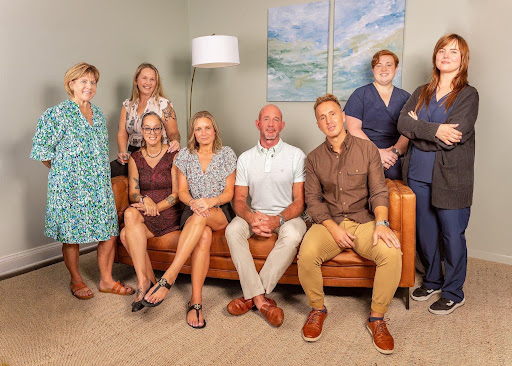
Nurses, counselors, and the people who open the door. The work is medical. The room is meant to feel human.
What “Done Right” Had to Mean
It had to be medically serious. Withdrawal from alcohol, benzodiazepines, and opioids is not something a person should manage alone at the kitchen table. A nursing team had to be in the building. Vitals had to be watched. Protocols had to be written for the person in front of them, not copied from a binder.
It also had to fit a Jacksonville week. Monday through Friday, seven in the morning until seven at night. A visit that lasts about two hours. Before a shift, on a lunch break, on the way home. You handle your life. The team handles the rest.
And it had to tell the truth. If outpatient care is not the right level, Serenus says so and helps find what is. The program they wished they had would not have sold someone a plan that could not keep them safe.
A first room that looks like a house on purpose. That was part of the brief from the beginning.
The Building Is the Proof, Not the Point
A ribbon across a brick doorway is a date on a calendar. What matters is what happens after the scissors. Someone drives over from Mandarin or the Beaches or Orange Park, sits down, and does not have to explain why they cannot leave town for thirty days.
Serenus exists because the founders got tired of watching that person get offered the wrong kind of help or no help that could actually be used.
They built the program they wish they’d had. The rest is showing up for the people who need it now.
A Confidential Next Step
If alcohol or drug use has become difficult to manage, Serenus Outpatient Detox can help you understand your options. Our team will listen to what is happening, answer your questions, and assess whether medically supervised outpatient detox is appropriate for you.
Contact Serenus Outpatient Detox at 904-890-1442 to begin a confidential conversation.
🚨 Emergency Notice: If you are experiencing a medical emergency, an overdose, severe withdrawal symptoms, a seizure, difficulty breathing, or an immediate danger to yourself or someone else, call 911 or go to the nearest emergency department. For mental health, suicide, or substance use crisis support, call or text 988.
Frequently Asked Questions (FAQs)
Who built Serenus, and why outpatient?
Serenus was built by clinicians, counselors, and leaders who had opened treatment programs before and who had seen people fall through the cracks. They kept meeting working adults and parents who needed medically supervised detox but could not leave their lives for a residential stay. Outpatient care with real medical and clinical support was the model they wished had been available.
If I cannot leave work or family, is detox still possible?
For many people, yes. Serenus is open Monday through Friday from 7am to 7pm, and most visits last about two hours. That schedule is designed so medically supervised detox can sit beside a job and a household. The first step is an evaluation. If outpatient care is not the safest option, the team will say so and help you understand what is.